How the Insect Font Elevates Branding for Small Businesses
I was recently helping a local bakery refresh their packaging for a new line of seasonal cookies. The goal was to create something that felt fresh, friendly, and just a bit whimsical. After trying several fonts, I landed on Insect—a display font that immediately brought a sense of joy and playfulness to the design.
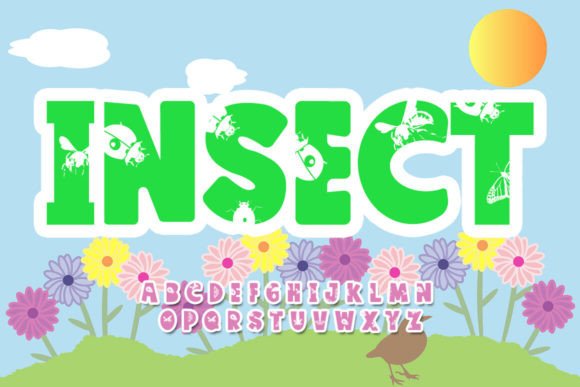
Insect is a quirky yet elegant typeface with rounded edges and a slightly bouncy feel. It’s not overly decorative, but it carries a charm that makes it stand out in any design. Its personality is light-hearted and approachable, making it perfect for brands that want to convey warmth and creativity without being too serious.
What caught my attention about Insect was how it balanced cuteness with professionalism. It didn’t feel childish or untrustworthy, which is a common pitfall with many playful fonts. Instead, it added a unique flair that made the bakery’s brand more memorable. This is especially important for small businesses competing in crowded markets where first impressions matter.
Using Insect on product labels, menu headers, and social media graphics helped the bakery’s branding feel more cohesive. For example, the font worked beautifully as the main text on the cookie boxes, paired with a clean sans serif font for supporting details like ingredients and pricing. This combination kept everything readable while adding visual interest.
The font also translated well to digital formats. When we updated the bakery’s Instagram templates, Insect became the go-to choice for headlines and promotional posts. It gave the content a friendly, inviting tone that resonated with followers and encouraged engagement.
One thing to consider when using Insect is its readability. While it’s excellent for headlines and short phrases, it may not be the best choice for long paragraphs or small text. For printed materials like thank-you cards or business cards, it works well as a primary font, but pairing it with a more legible secondary font ensures clarity across all sizes and mediums.
When it comes to font pairing, Insect plays nicely with a variety of styles. A simple sans serif like Helvetica or Arial can balance its quirkiness, while an elegant serif like Georgia or Times New Roman adds sophistication. For a more modern look, combining it with a minimalist sans serif or even a subtle script font can create a dynamic contrast that draws the eye.
Before using Insect on any customer-facing materials, it’s essential to check what’s included in the font package. Make sure it has the necessary weights, alternates, ligatures, and multilingual support if your business operates internationally. Also, confirm that the license allows commercial use, especially if you’re printing merchandise or using the font in digital downloads.
Another benefit of Insect is its versatility. It can be used for logo design, packaging titles, website banners, and even as a decorative accent in editorial layouts. Whether you're designing a boutique tag, a skincare label, or a café menu, this font brings a consistent and recognizable touch to your brand identity.
For businesses looking to make their brand more polished and memorable, typography plays a crucial role. The right font can influence how customers perceive your brand, from trustworthiness to approachability. Insect offers a great way to add character without sacrificing professionalism.
If you're working on a project that needs a little extra spark, give Insect a try. It might just be the missing piece that helps your brand stand out in a crowd.